


Partition Wall Insulation
Partition wall insulation is insulation materials designed to be applied to the spaces in partition walls or stud wall frames. Partition walls are made up of timber or metal frames built to split one room into two within commercial or residential buildings. The materials are frequently made up of high-performance, rigid polyisocyanurate (PIR) featuring foil facings on both sides or mineral wool slabs and other forms of insulation depending on the method of installation being applied. On our website you can find a whole variety of partition wall insulation to suit your requirements. We boast trade price stud wall insulation and the best part is, you don’t even need to be in the trade to qualify for our prices.
It could not be easier, simply add your insulation to your basket and checkout in minutes. Get the insulation delivered directly to your project or site on a date that suits you.
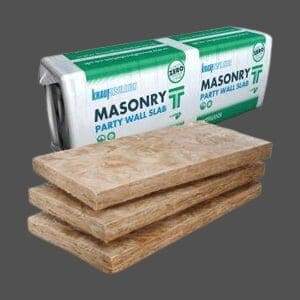
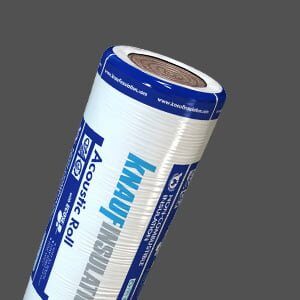
Showing 1–16 of 37 results
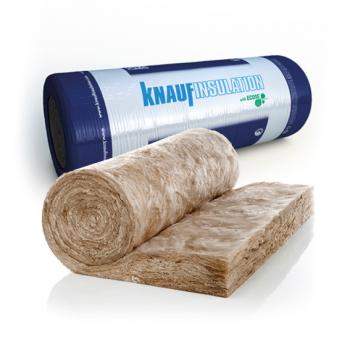
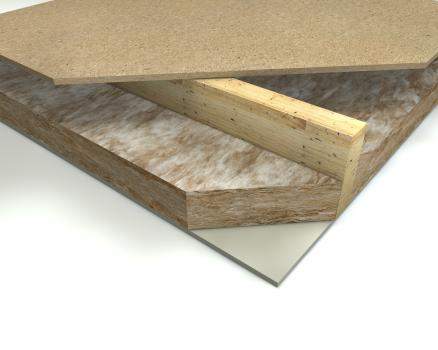
100mm Knauf Acoustic Roll – (2x 600mm) – 12.36m2 roll
Original price was: £59.99.£55.40Current price is: £55.40.Knauf 25mm Acoustic Roll (2x600mm) – 26.64m2 roll
Original price was: £49.50.£42.99Current price is: £42.99.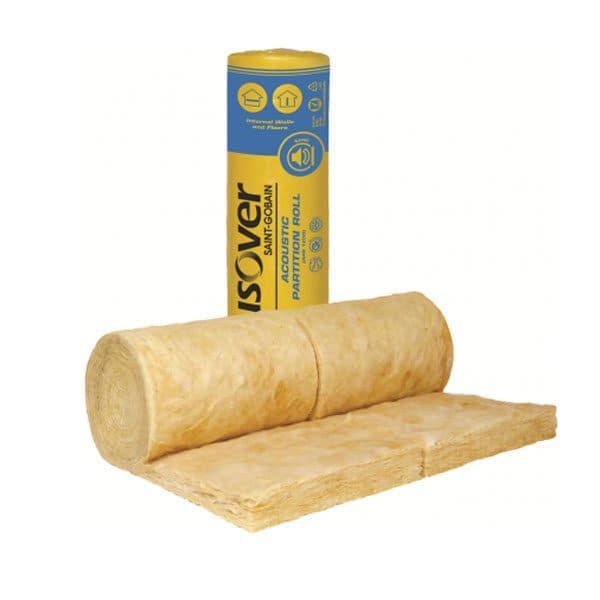
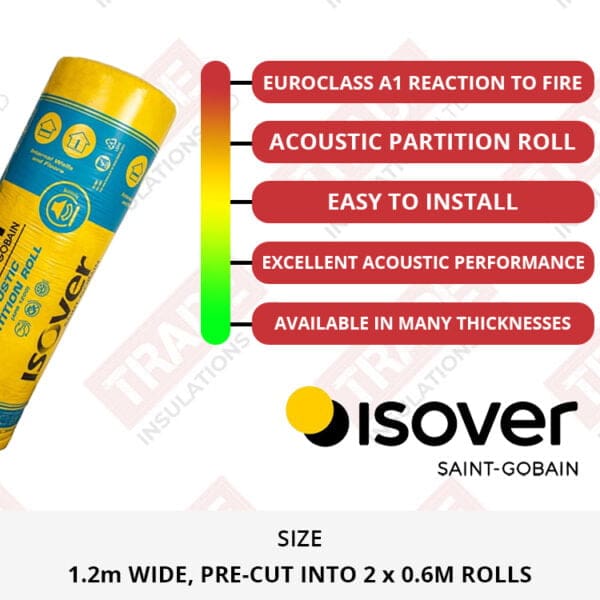
100mm Isover Acoustic Partition Roll – 11m2 Acoustic Insulation Roll
Original price was: £59.55.£53.99Current price is: £53.99.25mm Isover Acoustic Roll – 24m2 Acoustic Partition Roll
Original price was: £47.52.£43.74Current price is: £43.74.50mm Isover Acoustic Partition Roll – 15.6m2 Acoustic Insulation Roll
Original price was: £47.52.£42.86Current price is: £42.86.75mm Isover Acoustic Partition Roll – 14.64m2 Acoustic Insulation Roll
Original price was: £65.67.£59.99Current price is: £59.99.Knauf 50mm Acoustic Roll (2x600mm) – 16.2m2 roll
Original price was: £48.99.£42.61Current price is: £42.61.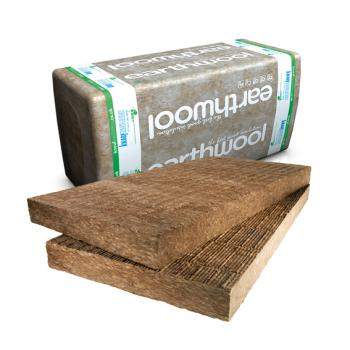
Knauf 75mm Acoustic Roll (2x600mm) – 17.4m2 roll
Original price was: £75.24.£58.50Current price is: £58.50.Knauf Rocksilk RS45 Insulation Slab – 50mm (1200 x 600mm) – 7.2m2 pack
Original price was: £35.17.£31.27Current price is: £31.27.Knauf Rocksilk RS45 Insulation Slab – 60mm (1200 x 600mm) – 69.12m2 pallet
Original price was: £416.18.£369.94Current price is: £369.94.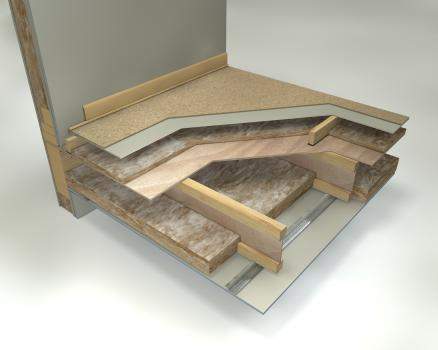
Knauf Rocksilk RS45 Insulation Slab – 25mm (1200 x 600mm) – 172.8m2 pallet
Original price was: £445.92.£396.38Current price is: £396.38.How is partition wall insulation installed?
Always call a specialist before installing partition wall insulation to prevent problems occurring in the future and damages being made to the property.
Once the partition or stud wall is complete you can begin to apply insulation materials. First, measure the dimensions of the wall and apply the plasterboard to one side of the stud wall by using a screw and fixing the plasterboard to the timber frame.
Then measure the spaces in the stud wall and cut your chosen insulation material to size. Most insulation can with cut with a Stanley knife or hand saw. Foil tape can also be applied over any insulation materials that are butted together or over where the timber battens and the insulation materials meet.
The other side of the wall can now be fitted with plasterboard. The plasterboard can be cut and applied to match the dimensions of the wall and applied by screwing the plasterboard into the timber battens.
Then measure the vertical studs on the end of the wall and apply plasterboard to cover. Corner beads can be applied to the corners using clout nails and scrim tape can be applied to cover the joints and avoid cracks on the joints when plastered.
The wall is then ready for finishing applications such as plaster and paint.
Why do I need partition wall insulation?
When splitting one room into two this is best achieved by building an insulated partition wall. Good quality insulation can help to improve acoustic performance, thermal conductivity, and fire resistance within the space.
A soundproof stud wall is recommended to prevent acoustic transfer between rooms to make a more comfortable environment.
Stud walls are suitable for many buildings within the available space such as in commercial buildings to create office spaces or in residential buildings to create rooms or storage spaces or wardrobes. Partition walls can be quick to install and can be moved if needed to change the layout of the space make redesigning your home easy.
Partition wall products are extremely durable and should last as long as the building when installed correctly.
Partition wall insulation is manufactured by several brands such as Rockwool, Isover, Knauf, and others.
Stud wall insulation
Stud wall insulation is designed to be installed within timber or metal frames to create a new wall within the building. The stud wall is made up of metal or timber studs fitted to the ceiling and walls, insulated, and covered with plasterboard with the outcome designed to look like an integral part of the house. The materials are frequently made up of high-performance, rigid polyisocyanurate (PIR) featuring foil facings on both sides or mineral wool slabs and other forms of insulation depending on the method of installation applied.
Insulation is commonly used in stud walls to enhance energy efficiency and improve comfort. It helps to reduce heat transfer through the wall, keeping the interior spaces warmer in cold weather and cooler in hot weather. Insulation also acts as a sound barrier, minimising noise transmission between rooms.
Insulating stud walls is important for several reasons. It helps to improve energy efficiency by reducing heat loss or gain through the walls, thereby lowering heating and cooling costs. It also enhances indoor comfort by maintaining a more consistent temperature and reducing drafts. Additionally, as mentioned previously insulation can contribute to soundproofing, reducing noise transmission between rooms or from outside.
You can purchase stud partition wall insulation products directly from our website at our best price ever. We always make sure we keep the cost down for our customers.This means you don&'t even need to be in the trade to get trade accounts.
What is an internal stud wall?
If you don't know what an internal stud wall is, it is simply a type of partition wall or divider, which is constructed in the interior of a building. The purpose of internal stud walls is to separate the space within a building as well as create rooms. This allows you to have privacy without supporting the supporting the structural weight of the building. Unlike load-bearing walls that support the overall structure, they can be added or removed without affecting the building's stability.
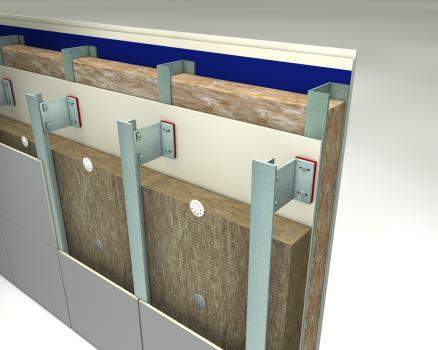
Stud walls are typically made by framing a structure using vertical wooden or metal studs that are spaced apart. These studs are attached to horizontal plates at the top and bottom. The space between the studs can be filled with stud wall insulation. In addition to this, when the the frame is up, wallboards or drywall can be attached to create a finished surface.
Internal stud walls offer flexibility in interior design, allowing spaces to be customised according to changing needs. They also provide a platform for integrating utilities such as electrical wiring, plumbing, and insulation. They are a versatile solution for defining spaces within a building whilst providing the opportunity for creative design and functional enhancements.
Another benefit of partition walls is that you can further insulate the building by equipping the dividing walls with insulation. There are many types of suitable partition wall insulation products. From acoustic partition rolls to insulation boards.
In addition to partition wall insulation, we also sell metals such as C Studs and U Track Metal to equip you with everything you need to install metal stud walls.
If you are looking to install a timber stud wall, then be sure to check out our sister website Trade Timber for all low price quality timber.
What is the best insulation for partitions?
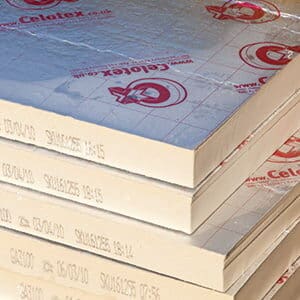
This is a common question, however there is no best insulation for partitions. This is because it depends on your requirements and what you wish to achieve. For example, if you wanted to improve acoustic performance, you could use mineral wall or fiberglass batts. If this was not a huge factor and were familiar with using insulation such as Celotex Boards then you could opt for this instead. The type of insulation and application plays a factor.
As stated above, the best insulation for partitions depends on the specific requirements of the space and the goals you want to achieve. That being said, one of the most commonly used types of insulation for partitions are either fiberglass batts and mineral wool.
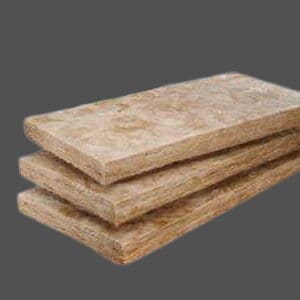
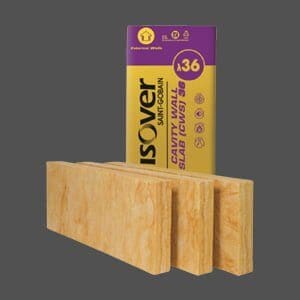
Fiberglass batts are made from tiny glass fibers woven together. They are available in pre-cut sheets that fit between standard stud spacing. Fiberglass insulation is affordable and relatively easy to install. It offers good thermal insulation, helping to regulate temperature and save energy. However, it may not be as effective for soundproofing compared to other options.
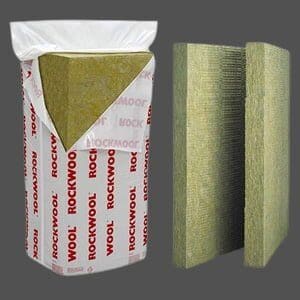
Mineral wool such as Rockwool is made from natural minerals like basalt or slag. It is known for its excellent soundproofing capabilities due to its denser structure. Mineral wool insulation provides both thermal and acoustic insulation, making it a great choice for partition walls, especially in spaces where noise control is essential. It's fire-resistant and can withstand high temperatures, adding an extra layer of safety.
When choosing insulation for partitions, consider factors such as the intended purpose of the partition (soundproofing, thermal insulation, or both), budget, and building regulations and standards. It's also a good idea to consult with professionals or experts in insulation to determine the best option for your specific needs.